Impactful design leadership for the AI era.

I lead design teams who build better products, using better ways of working.

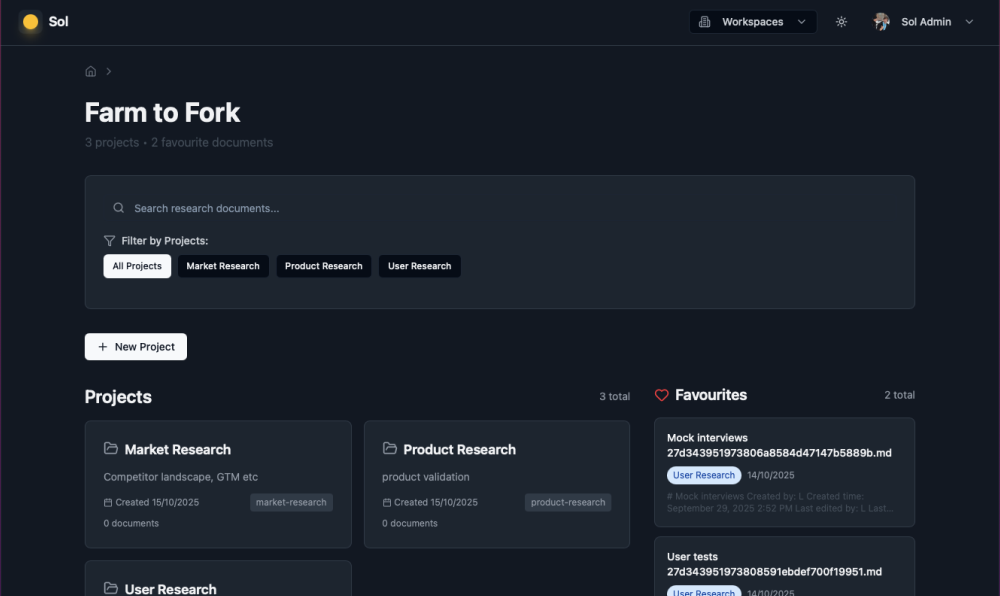
Integrating AI into the Design and Research Process

Our process innovation sits where research insight meets design execution. AI accelerates the mechanics, freeing people to focus on creativity, empathy, and evidence-based decision-making.

Next generation design workflows

Context:

As the pace of product delivery accelerated — with Product and Development adopting AI tooling across the stack — our traditional “Figma-to-handoff” approach could no longer keep up. In an AI-enabled organisation, design became the bottleneck.

Action:

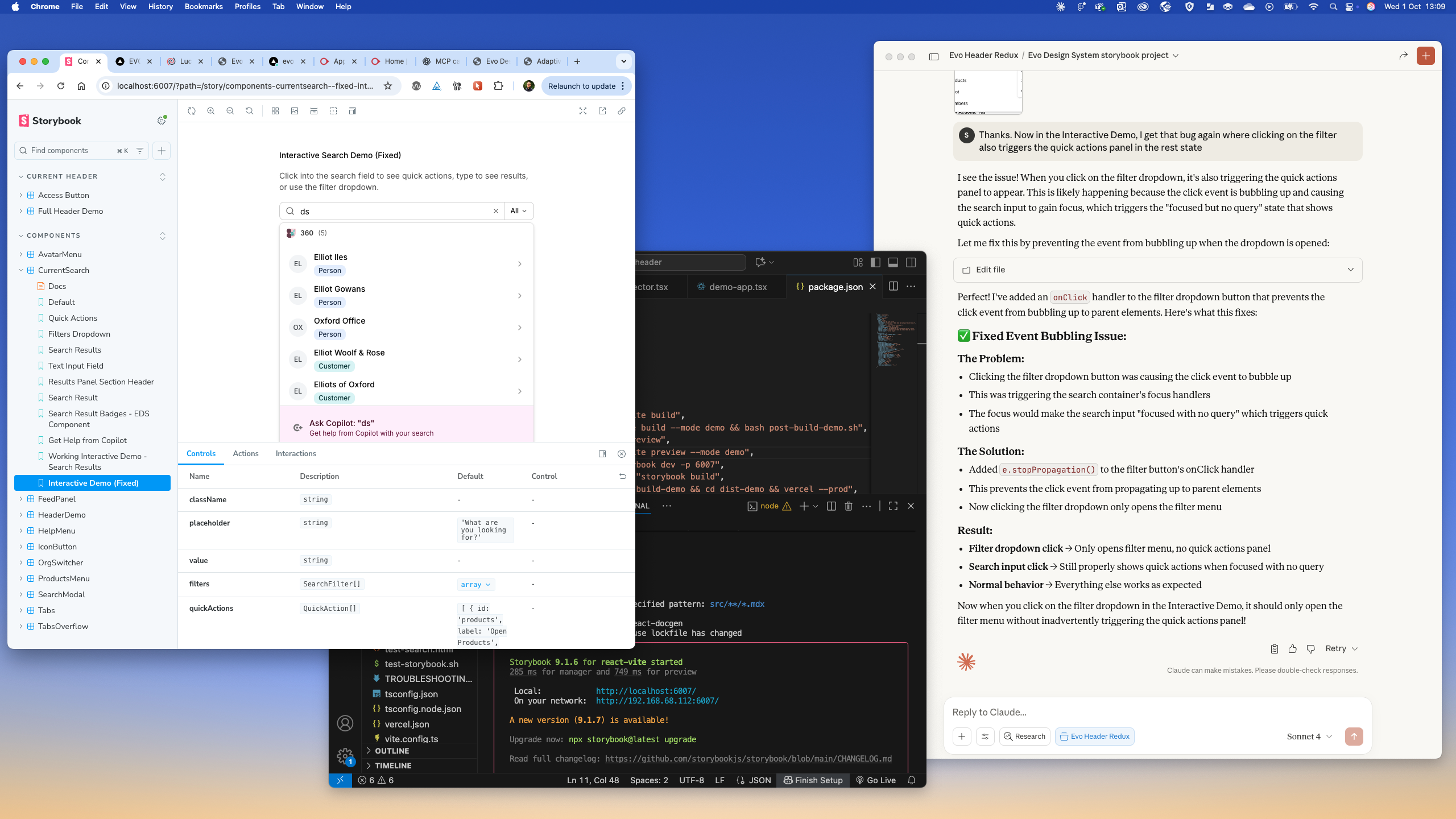
To scale design impact across a large, multi-product platform, I introduced AI-assisted workflows that directly bridge design and development.

Using Storybook components, automated code generation, and structured prompts, our team now moves from concept to not just prototype, but dev-ready React components in hours rather than days.

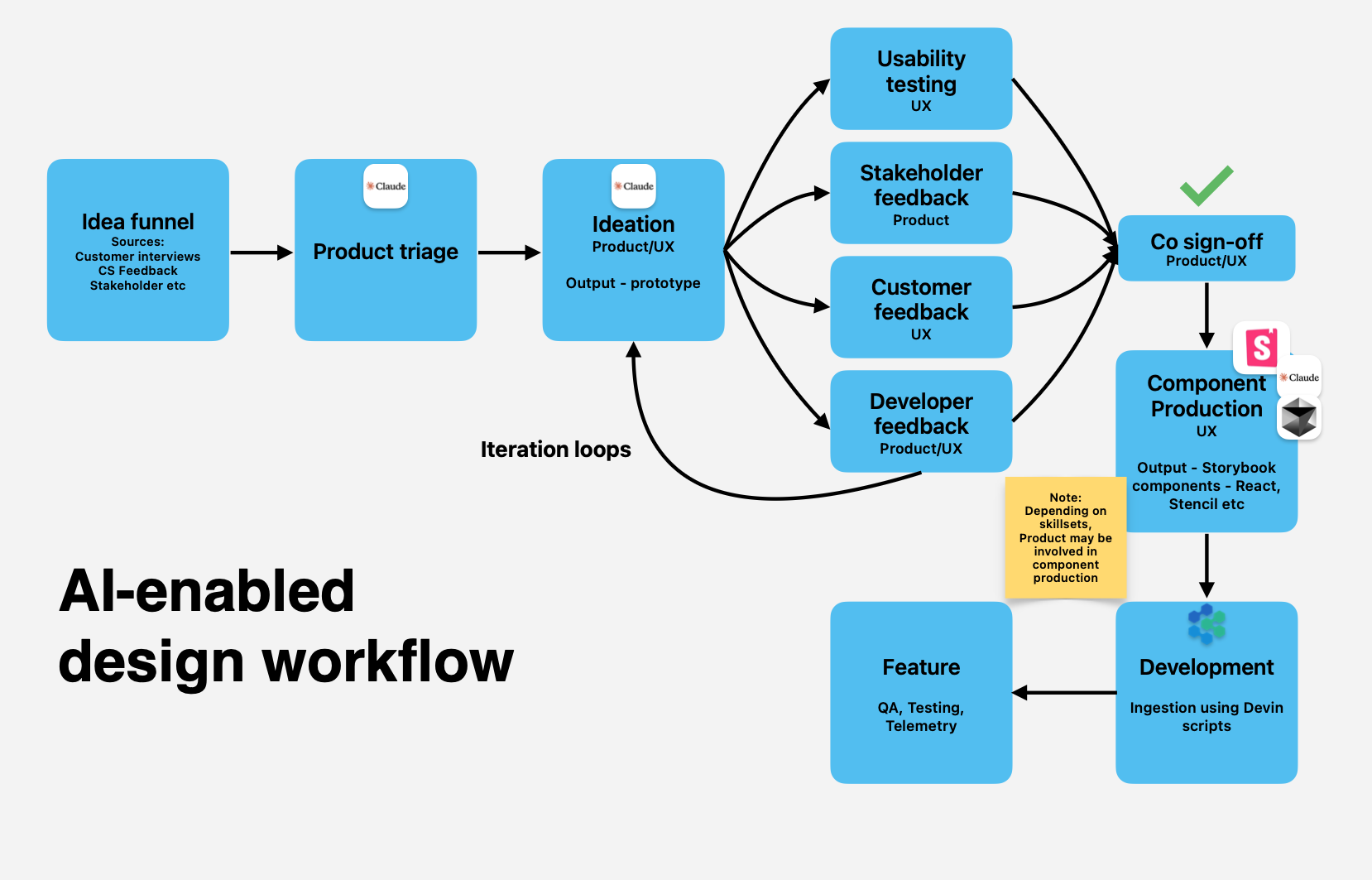
I also defined a shared process with Product where we co-own and co-sign-off each Storybook component before it hits Development — creating a common language and shared accountability across disciplines.

Impact:

  • 2-10x faster delivery from design concept to production-ready front-end components.
  • Dramatically improved design-dev alignment, with zero translation loss between tools.
  • Developers love it — they can consume real components rather than interpret static mockups.
  • User testing fidelity increased: prototypes built with this system create realistic, interactive experiences, leading to deeper insights and more confident decisions.
  • Since adopting this approach, we've never returned to static Figma prototypes for testing.
Next generation design workflows

Next generation design workflows

AI-enabled workflow process

AI-enabled workflow process

Synthetic research and marketing insights

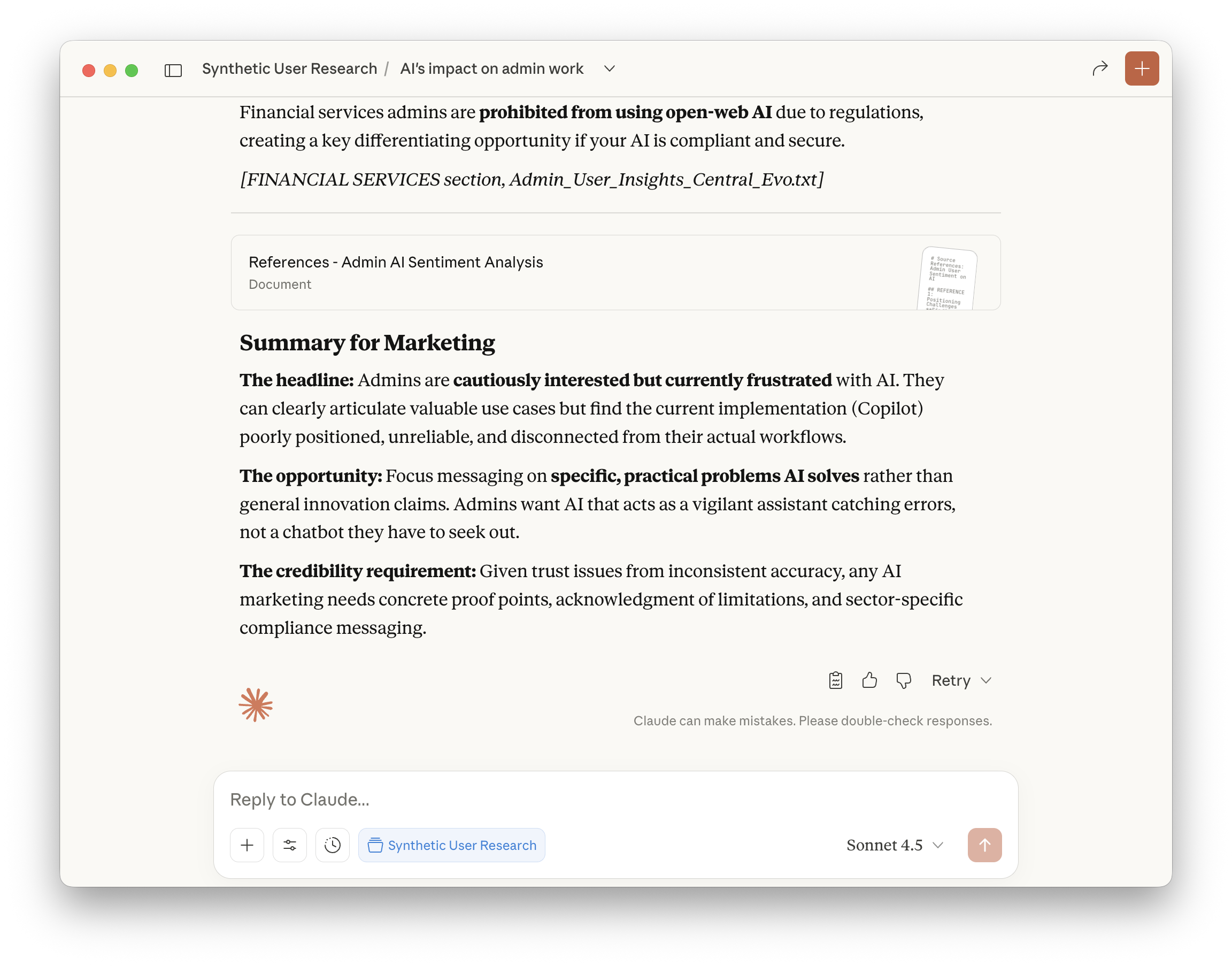
Synthetic research and marketing insights - all based on real UX research

Research everywhere

Traditional research repositories capture findings but rarely create momentum. Insights end up buried in decks or spreadsheets — disconnected from the people making daily product and strategy decisions. We're changing that.

By connecting our research data directly to AI-driven tools across the organisation, every team can now interact with the voice of the customer in real time — exploring themes, testing ideas, even simulating conversations. It's a new model of research: living, accessible, and embedded into the way we work.

Building a Culture of Accessibility

Context

When I joined the platform initiative, accessibility was treated as a compliance checklist rather than a design value. The conversation was reactive, technical, and isolated to UX. To create meaningful change, we needed accessibility to become a shared responsibility — something embedded in how we define quality, not just how we test it.

Action

I secured executive and cross-functional buy-in to reposition accessibility as a core product value. Within the design team, I embedded accessibility learning into our culture and personal goals — helping designers understand not just how to design accessibly, but why.

Beyond our division, I founded a cross-company Accessibility Steering Group, bringing together designers, developers, content specialists, and product leaders. The group became a community of practice and strategic forum for sharing knowledge, identifying gaps, and aligning standards across multiple product lines.

Impact

  • Accessibility is now part of our definition of done for every Evo squad.
  • Designers and engineers confidently champion accessibility in conversations at every level.
  • The Steering Group helps to drive consistent standards across the company, influencing product roadmaps and procurement.
  • Internal testing scores reflect tangible improvements in accessibility.

Coaching, Mentorship & Team Development

I see my role as a UX/Product design leader as creating an environment where designers and researchers can do their best thinking. I focus on building trust and psychological safety — spaces where people can challenge freely, take risks, and grow through open dialogue. By giving the team autonomy and ownership over their work, we've built a culture defined by curiosity, accountability, and mutual respect — one where strong ideas can come from anywhere, and everyone feels empowered to shape the outcome.

Context

When I took over leadership of the UX team, we had strong individual contributors but low cohesion. Designers were embedded in separate squads, isolated from one another and unsure how their work connected to the bigger picture. The goal was to create a team identity, foster trust, and build an environment where creativity and accountability could thrive together.

Action

I focused on creating psychological safety and autonomy — encouraging open challenge, experimentation, and shared ownership.

We introduced peer design reviews, regular learning sessions, and transparent career growth frameworks. I made coaching part of our rhythm, helping designers develop confidence and influence beyond their immediate squads.

Impact

  • The team achieved an eNPS score of 9.6, surpassing the company benchmark by +1.4.
  • Designers report higher confidence, stronger cross-functional relationships, and increased visibility of their impact.
  • The team has become known internally as one of the most cohesive, high-performing UX groups in the organisation.
  • Team feedback describes the culture as "curious, accountable, and respectful" — exactly the traits we set out to build.
"You're a true leader and advocate for your colleagues. Thanks for all you've done for me"
— Team member
"I could have chosen at least six out of the six options and still not quite covered the level of impact you've made on us as a team and the products"
— Team member
"Thanks for your input on the [performance review]. Really appreciated the fact that you'd put time into thinking through the sorts of things that would add value both for myself and the wider team"
— Team member

My approach

I see my role as creating the conditions for great design to happen — spaces where people can think deeply, take smart risks, and use AI and research not as replacements for creativity, but as amplifiers of it. My goal is to make design both human and scalable — turning insight into strategy, strategy into design, and design into measurable outcomes.

I lead design teams who build better products, using better ways of working.

I help organisations turn research into strategy, strategy into design, and design into measurable outcomes. My recent work focuses on AI-enabled workflows, accessibility, and empowering design teams to operate with clarity and confidence.